
Projects & Programs
Child Safeguarding Workshops 2026
Strengthening child safety across Central West and South West Queensland
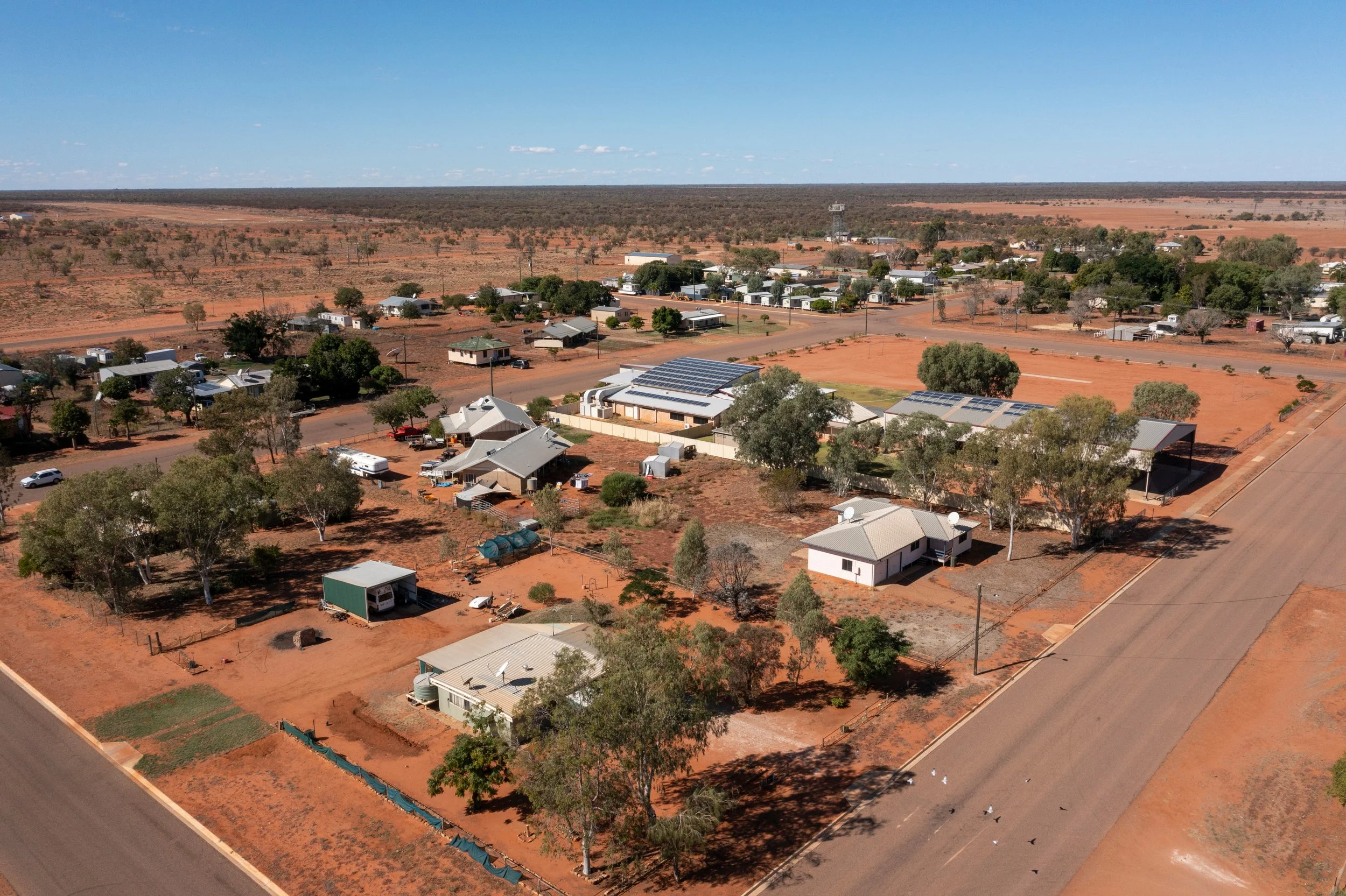
Between May and September 2026, Outback Independent Living (OIL) delivered a series of face-to-face Child Safeguarding Workshops across Central West and South West Queensland.
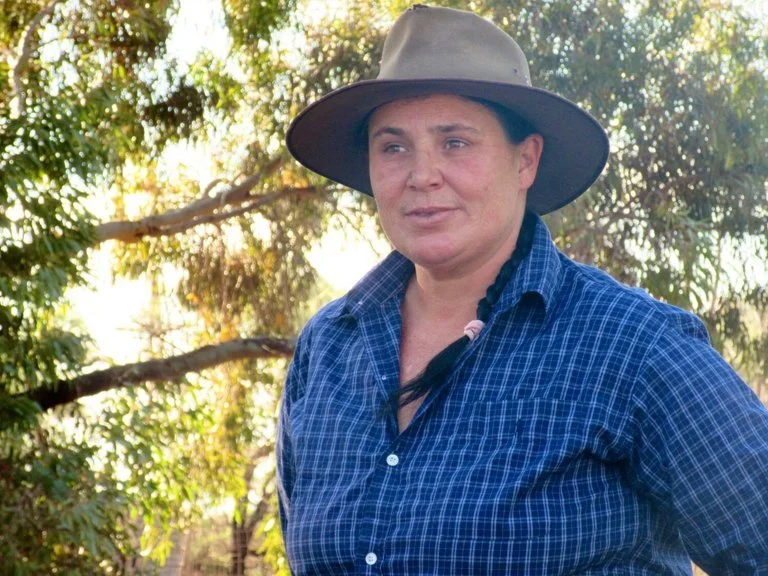
The workshops were funded by the Queensland Family and Child Commission (QFCC) and facilitated by Dr Tauri Simone, Lead Community Connector at Outback Independent Living.
The program supported local organisations, services and community members to better understand Queensland's child safeguarding requirements and strengthen their practices to help keep children and young people safe.
Who were the workshops for?
The workshops were designed for people working with, supporting, supervising, educating, mentoring or providing services to children, young people and families.
Participants included people working across:
Disability services
Local and State Government
Child protection and family support
Schools and education services
Early childhood education and care
Outside School Hours Care
Health and mental health services
Youth services and youth justice
Aboriginal and Torres Strait Islander organisations
Community services and not-for-profit organisations
Faith-based organisations
Residential care and supported accommodation
Volunteer organisations
Other community organisations working with children and young people
The workshops were also relevant to staff, volunteers, managers, leaders, board members and contractors who had responsibilities relating to children and young people's safety and wellbeing.
What did the workshops cover?
The workshops provided practical information about Queensland's child safeguarding framework and explored how organisations could apply child safe principles within their everyday work.
Key topics included:
The 10 Child Safe Standards
Participants explored Queensland's 10 Child Safe Standards, including what the standards meant for organisations and how they could be incorporated into policies, procedures and everyday practice.
The Universal Principle and cultural safety
The workshops explored the Universal Principle and the importance of creating environments where children and young people felt safe, respected, valued, included and heard.
Particular attention was given to cultural safety for Aboriginal and Torres Strait Islander children and young people and the responsibility of organisations to create culturally safe environments.
Creating and maintaining child safe organisations
Participants considered how child safety could be embedded across an organisation, including:
Leadership and governance
Policies and procedures
Recruitment and screening
Staff and volunteer training
Risk management
Complaints and feedback
Incident management
Communication and participation
Service delivery
Recognising and responding to concerns
The workshops provided information about recognising concerns relating to the safety and wellbeing of children and young people and responding appropriately to disclosures, allegations and other concerns.
Reporting obligations and the Reportable Conduct Scheme
Participants explored reporting responsibilities and the Reportable Conduct Scheme, including organisational responsibilities when responding to allegations of reportable conduct.
A practical and interactive approach
The workshops were designed to be practical, relevant and accessible to organisations operating in regional and remote communities.
Rather than focusing only on legislation and compliance, participants worked through real-world scenarios, guided activities and group discussions.
These activities encouraged participants to consider:
What child safety looked like within their organisation
Existing strengths and good practice
Potential safeguarding risks and gaps
How policies translated into everyday practice
How cultural safety could be strengthened
How staff and volunteers could respond confidently to concerns
Practical steps for continuous improvement
Participants also received a comprehensive workbook containing information, activities and practical tools to support ongoing learning following the workshop.
Supporting regional and remote communities
A key focus of the 2026 program was bringing child safeguarding information and training directly to regional and remote Queensland communities.
OIL recognised that organisations operating outside major centres can experience unique challenges, including geographical isolation, workforce capacity, limited access to specialist services and professional development, and the practical challenges associated with delivering services across large distances.
The workshops provided an opportunity for local organisations and community members to discuss these challenges and identify practical ways to strengthen child safety within their own communities.
Continuing the commitment to child safety
The 2026 Child Safeguarding Workshop program provided organisations across Central West and South West Queensland with opportunities to build knowledge, confidence and capability in child safeguarding.
OIL is proud to have supported local communities to strengthen their understanding of child safety and promote environments where children and young people are safe, respected, included, heard and valued.
OIL remains committed to working with regional and remote communities to promote safe, inclusive and culturally respectful environments for children, young people and families.